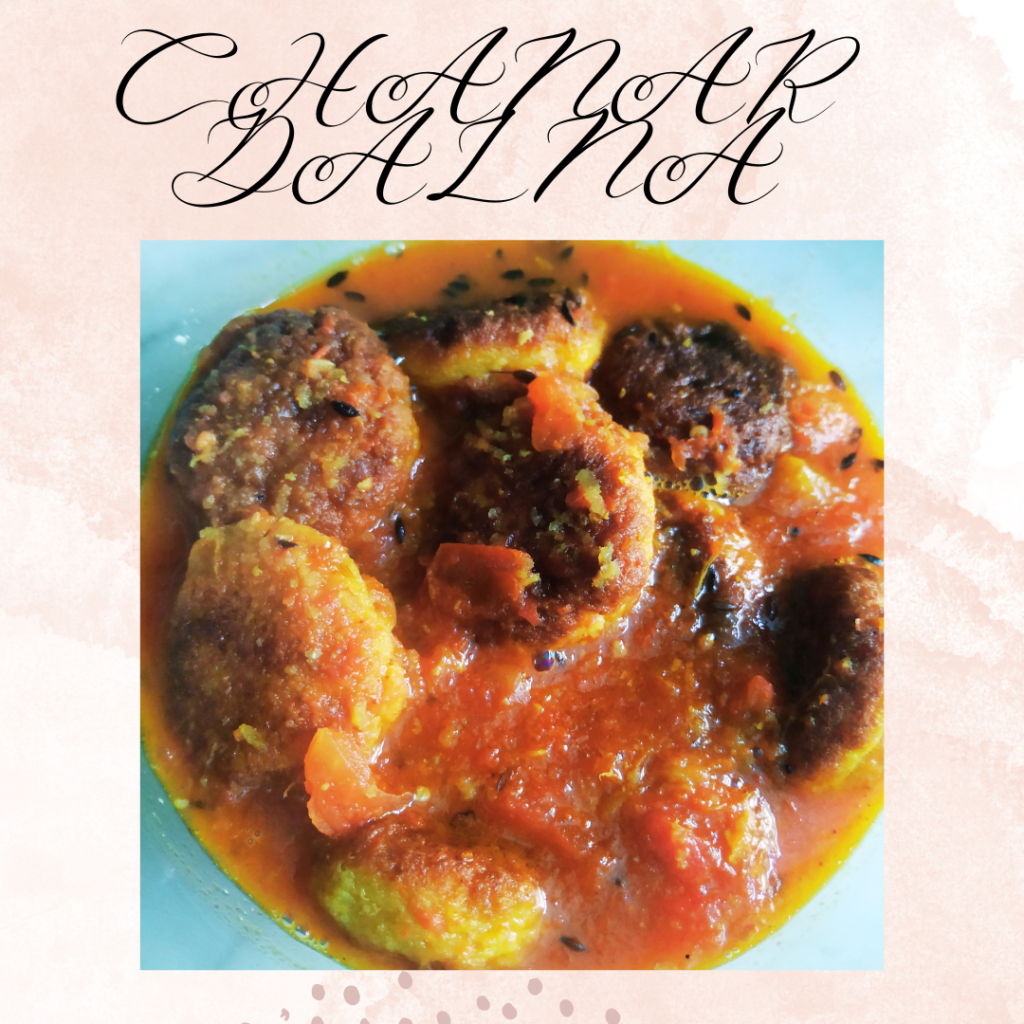
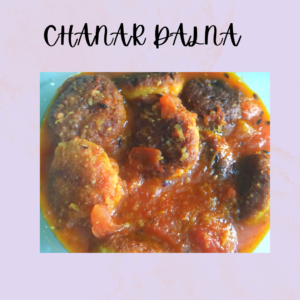
CHANAR DALNA OR INDIAN COTTAGE CHEESE CURRY
Chanar Dalna is cooked in my kitchen quite often. Chana means Indian cottage cheese and dalna in Bengali means curry. So Chanar Dalna essentially means Indian cottage cheese curry. This curry is made without onion and garlic and is mildly spicy and sweet in nature. It’s very tasty and easy to make and is a very good source of protein if you are a vegetarian. I am sharing this recipe with you so that you can cook and enjoy this dish at home.
I have divided the cooking process into a few steps.
Making the Chana or the cottage cheese for the CHANAR DALNA:
- Boil 1.5 litres of milk. The milk should be boiled properly.
- Add juices of 2 lemons or 3 teaspoons of vinegar to the boiled milk.
- Simmer for about 2 minutes.
- You will see that the milk has started to curdle and the water will separate.
- I strain the water with help of a stainer.
- I keep the cheese wrapped in a muslin cloth so that excess water drains out.
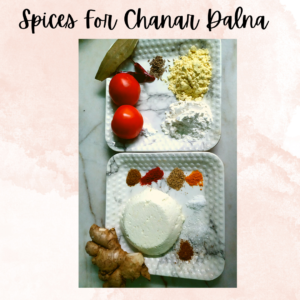
SPICES REQUIRED FOR CHANAR DALNA:
- Cumin seeds or Jeera
- Asafoetida or Hing
- Turmeric Powder
- Kashmiri red chilli powder
- A special fried masala
- Salt
- Sugar
- Bay leaves
- Garam Masala Powder
- Ginger
- Tomato
Recipe of the Fried masala of the Bhaja Moshla(In Bengali):
This masala recipe is very useful as it is very versatile and you can use this for vegetarian cooking like making cheese balls or raita or aloo dum. This is my recipe as I love this smell very much. Please store the masala in an airtight jar and make it in very small batches as the smell has a tendency to disappear.
Spices required:
- 2 teaspoons of Methi or Fenugreek seeds
- Whole red chilli -2 pieces
- 1 stick of cinnamon
- 2 teaspoons of whole coriander seeds or dhania seeds
- 1 teaspoon of fennel seed
- 2 teaspoons of jeera seeds or Cumin seeds
Process:
- Heat a pan on high flame for about 2 minutes.
- Add the spices mentioned above.
- Dry roast them for about 2 minutes on a very low flame.
- Ensure that the spices do not burn.
- I cool them before grinding.
- I grind them in a spice grinder into a fine powder.
- I store this fragrant masala in an air-tight jar.
- This masala is used for many dishes in a Bengali kitchen.
PROCESS OF MAKING THE CHANA BALL:
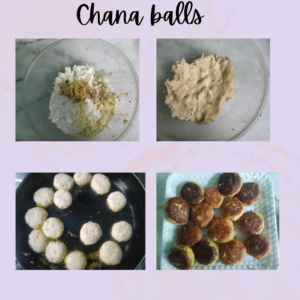
I take the chana in a bowl and add the spices. For the Chana fritters or pakora, I add
- 1 teaspoon of cumin powder.
- Half a teaspoon of turmeric powder.
- A pinch of Hing or asafoetida powder.
- 1 teaspoon of the fried masala.
- Salt to taste.
- 1 teaspoon of Sugar.
- 2 teaspoons of besan.
- 2 teaspoons of maida.
- 1 pinch of baking soda.
- Grated ginger( 1 teaspoon)
Besan and maida are added so that the pakoras do not split when added to oil for frying.
- I knead all the ingredients with the chana and make it a tight dough.
- I allow the dough to rest for about 10 minutes so that all the flavours are incorporated together.
- The dough is then taken out and then separated into small bite-sized round balls.
- These round balls are then fried in oil or ghee.
- I use oil for frying the chana balls and keep them aside on tissue paper for absorption of excess oil.
Process of making the Dalna or the curry:
This process is very simple as it involves a few simple ingredients and the time to cook is very less.
Spices required for the Curry are:
- Cumin powder- Half teaspoon
- Whole cumin seeds- 1 teaspoon
- Coriander or Dhania powder- half teaspoon
- Ginger paste- 2 teaspoon
- Tomato Paste- 2 tomatoes
- Green Chilli
- Asafoetida Powder-Hal;f teaspoon
- Bay Leaves
- Turmeric Powder-Half Teaspoon
- Kashmiri Red Chilli Powder- 1 Teaspoon
- Salt- To taste
- Sugar- 2teaspoons
- Garam Masala powder
- Ghee
Process:
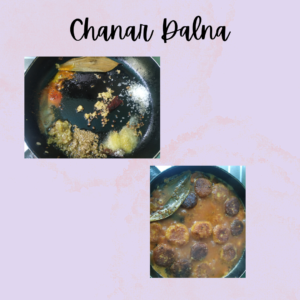
- I heat 3 teaspoons of mustard oil and a teaspoon of ghee in a pan.
- I add bay leaves and cumin seeds and wait for the oil to get flavoured.
- After that, I add the hing and the grated ginger and saute them for about a minute or two until the rawness of the ginger disappears and this ensures that the oil is nicely flavoured.
- Then I add the dry spices like the cumin powder, coriander powder, and Kashmiri red chilli powder and cook on a low flame.
- I add a splash of water to that spice mixture so that all the flavours come together.
- After that, I add salt and sugar.
- After a minute, I add the tomato paste and cook for about 2 minutes so that the rawness goes away and wait for the oil to separate from the sides.
- After the oil separates, It indicates that the curry is almost done.
- I add half a cup of water as the pakoras tend to absorb all the gravy but I make sure that the gravy is not runny. It will be semi-thick gravy.
- After that I allow the curry to boil so that all the flavours get mixed well in the gravy.
- At last, I add the garam masala powder and the fried masala or bhaja moshla powder to the gravy and keep the flame low and I make sure to add them at last because it smells divine.
- I add the fried chana balls to the gravy and boil them for about one minute.
- And your chanar dalna is ready to serve. Add a spoon of ghee to the finished gravy and serve it with steaming hot rice for lunch.
How to serve:
This sumptuous curry can be served with a bowl of hot steaming rice. We, in our home, prefer to have this dish with rice as we think it tastes the best with rice. You can also give it a try with flatbread, roti as well as paratha.
Benefits of chana or Cottage Cheese:
- Cottage cheese or paneer or Chana(in Bengali) is a healthy source of protein for vegetarians.
- It is highly rich in calcium and as a result, it is very good for our bones and teeth.
- Cottage cheese is good for our nerves as it contains a huge amount of Vitamin B12.
- Regular consumption can help in managing osteoporosis but along with other food and proper medical guidance.
- Cottage cheese is a very good protein option for weight watchers as it is low in carbohydrates and high in protein.